Decoding How Loyalty Tiers Influence Reel Configuration Tweaks in Cross-Regional Digital Prize Ecosystems
Iris Zimmermann · Aug 24, 2026
Decoding How Loyalty Tiers Influence Reel Configuration Tweaks in Cross-Regional Digital Prize Ecosystems
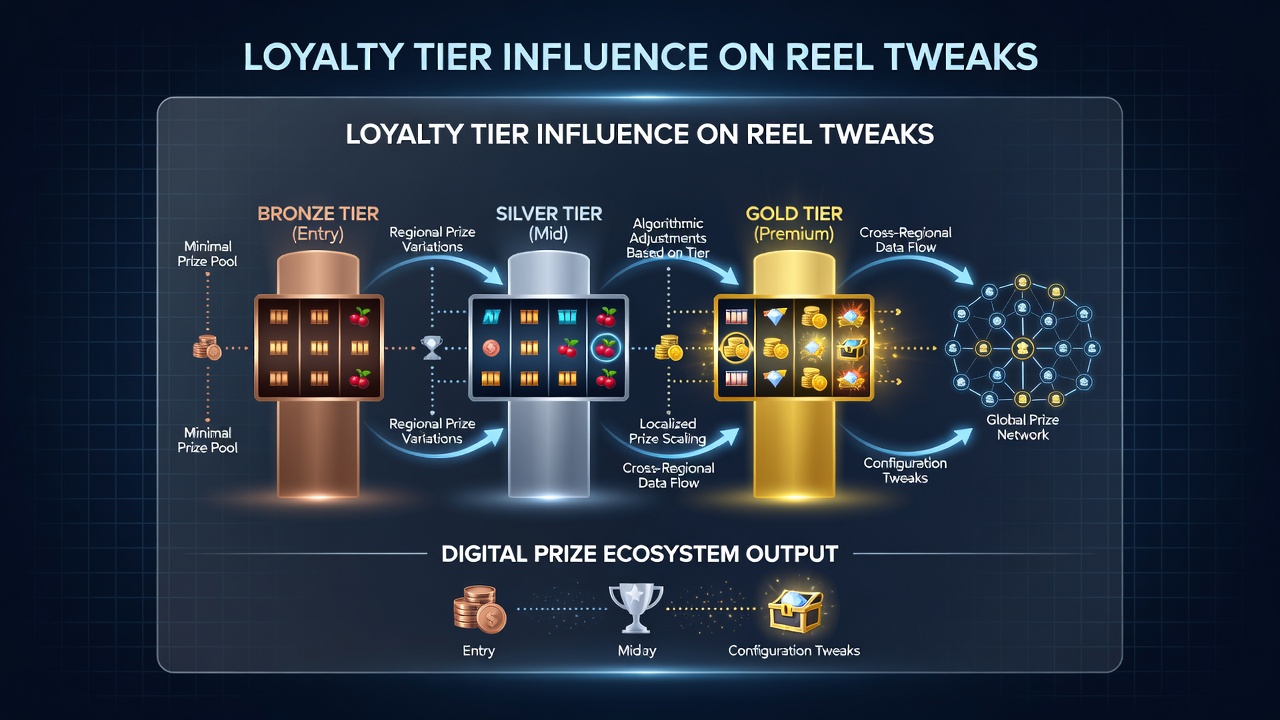
Digital prize platforms adjust reel configurations according to player loyalty tiers, and these modifications operate through algorithmic rules that respond to engagement metrics collected across multiple regions. Systems track metrics such as session length, wager volume, and bonus activation rates, then apply tier-specific parameters that alter symbol weights, reel strip lengths, and hit frequencies. Data from industry monitoring shows that higher tiers often receive configurations with increased frequencies for certain bonus symbols, while base tiers remain aligned with standard probability tables.
Loyalty Tier Structures and Their Technical Foundations
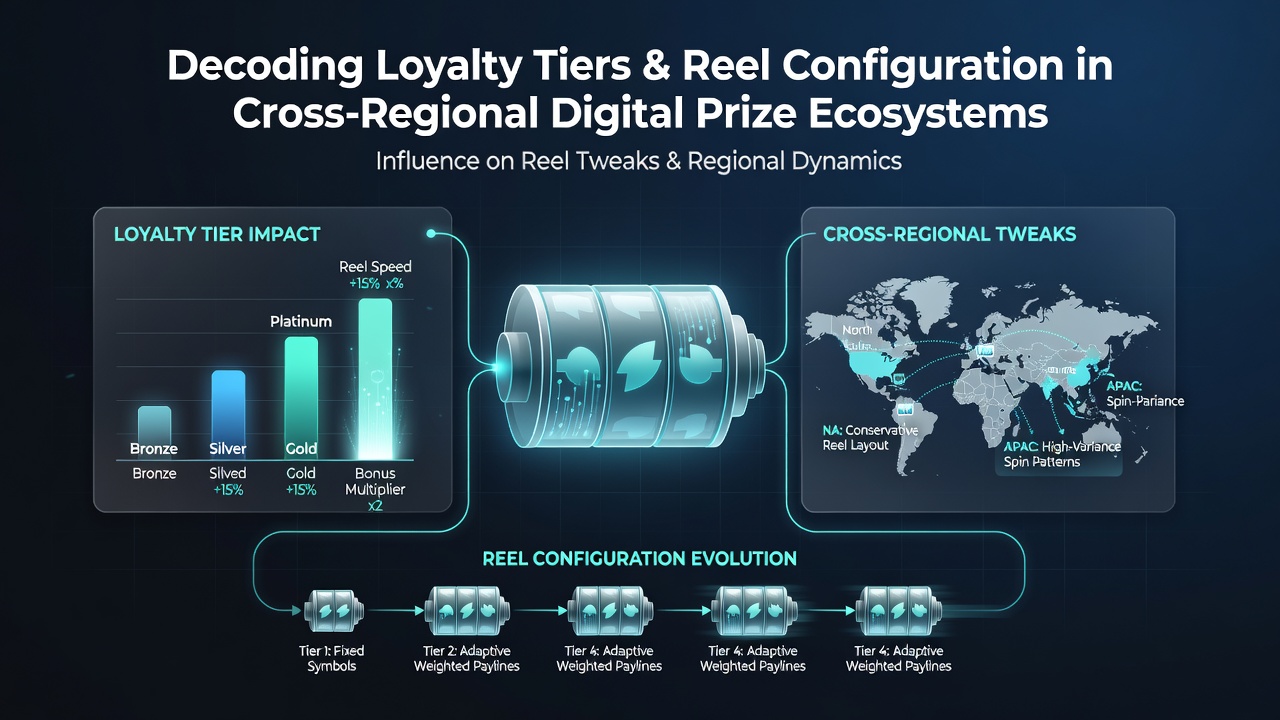
Operators categorize players into tiers that range from entry-level to premium status, and each tier carries predefined adjustment protocols embedded in the game server. Entry tiers typically operate under fixed reel mappings that follow regulatory minimums for return-to-player percentages, whereas mid and upper tiers trigger dynamic recalibrations that shift symbol distributions on individual reels. These recalibrations occur through backend scripts that reference player account flags and apply changes without altering the visible game interface for the user.
Cross-regional systems must accommodate differing legal frameworks, so the same loyalty tier can produce distinct reel outcomes depending on the jurisdiction where the account registers activity. Platforms maintain separate configuration libraries for North American, European, and Asia-Pacific markets, and loyalty data feeds into these libraries to determine which library loads for a given session. Observers note that synchronization protocols ensure compliance while still delivering tier-based personalization where regulations permit.
Mechanisms Behind Reel Adjustments
Reel configuration tweaks begin with data pipelines that aggregate real-time player behavior and feed it into decision engines. The engines evaluate tier status against historical benchmarks, then select from a menu of approved reel variants. Approved variants differ in the number of high-value symbols per reel, the placement of scatter symbols, and the weighting applied to wild substitutions. Because these variants remain within certified mathematical models, regulatory audits can verify that overall game fairness stays intact across all tiers.
August 2026 reports from multiple gaming authorities indicated continued expansion of loyalty-linked configuration tools in mobile and desktop environments. Figures released by the American Gaming Association highlighted steady adoption of tiered personalization features among major operators, with particular growth in markets that allow conditional reel modifications under existing licensing frameworks. Similar patterns appear in data compiled by the Singaporean Gambling Regulatory Authority, where cross-border platforms reported increased use of loyalty signals to fine-tune bonus round triggers.
Regional Regulatory Contexts and Implementation Differences
North American jurisdictions often require explicit disclosure of any tier-based adjustments, which leads operators to document changes in player-facing terms. European markets apply stricter separation between random number generation and player segmentation, resulting in more conservative application of reel tweaks even for top-tier accounts. In contrast, several Asia-Pacific regulators permit broader flexibility provided that base game probabilities remain unchanged and audit logs capture every modification. These differences create a landscape where the same loyalty tier produces measurable but jurisdiction-specific variations in reel behavior.
Research from academic institutions such as the University of Nevada Reno Center for Gaming Research has examined how loyalty parameters interact with regional compliance layers. Studies indicate that platforms employing unified global player profiles must maintain multiple parallel reel libraries to satisfy local rules, and that synchronization between these libraries occurs through encrypted data exchanges updated at regular intervals. The process ensures that a player moving between regions experiences consistent tier benefits while the underlying reel mathematics stays compliant.
Data Patterns and Platform Responses
Platform analytics reveal correlations between tier elevation and changes in symbol hit rates, yet these correlations stay within the boundaries set by independent testing laboratories. When a player advances from one tier to the next, the system records the transition and queues a configuration update that activates on the next game load. Updates can include additions of extra wild positions on middle reels or slight compressions of reel strips that increase the density of feature symbols. All such changes undergo pre-deployment certification to confirm they do not breach certified return-to-player ranges.
Cross-regional prize ecosystems further complicate the picture because linked progressive pools draw contributions from multiple territories. Loyalty tier data influences which reel variant participates in the pool, and this selection affects the rate at which players at different tiers contribute to and qualify for shared jackpots. Monitoring organizations track these flows to ensure equitable distribution across participating regions.
Conclusion
Loyalty tier systems in digital prize platforms function through layered algorithmic controls that adjust reel configurations while respecting regional regulatory limits. Data pipelines, configuration libraries, and compliance checkpoints work together to deliver tier-specific experiences without compromising certified game mathematics. As platforms expand across borders, the interplay between loyalty signals and reel parameters continues to evolve within frameworks established by gaming authorities and independent research bodies.