Decoding Interplay Between Loyalty Algorithms and Symbol Frequency Adjustments Across Multi-Platform Casino Networks
Amir Long · Oct 18, 2026
Decoding Interplay Between Loyalty Algorithms and Symbol Frequency Adjustments Across Multi-Platform Casino Networks
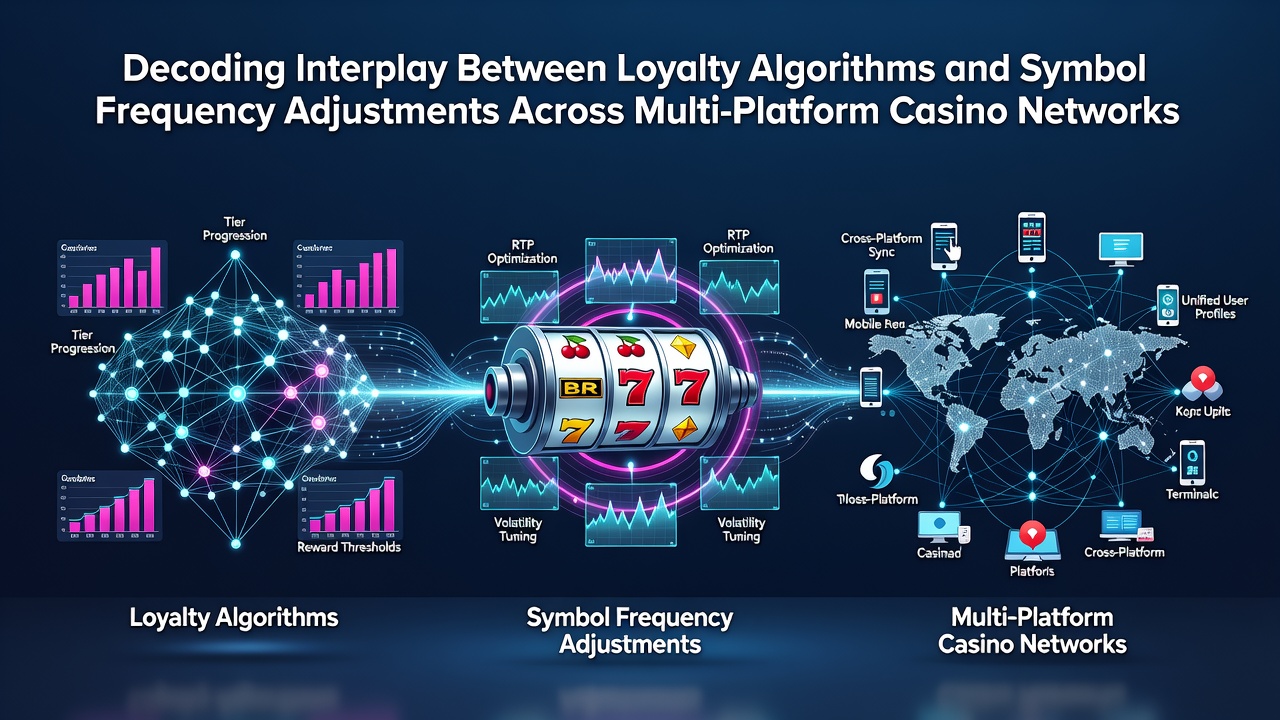
Operators across interconnected casino networks track player engagement through loyalty algorithms that assign tier levels based on wager volume, session length, and game selection patterns. These systems feed directly into backend tools that modify symbol frequency tables on individual titles, and the adjustments occur differently depending on whether a user accesses content via mobile apps, desktop clients, or land-based terminals linked to the same network. Data collected in real time allows platforms to align reward structures with reel behavior so that higher-tier accounts encounter altered hit rates on specific symbols without changing the overall certified return-to-player percentage.
Algorithmic Mapping of Player Loyalty to Reel Mechanics
Network operators maintain centralized databases that categorize accounts into loyalty brackets, then apply conditional rules to symbol weighting matrices. When a player reaches a new tier, the algorithm references historical performance metrics and triggers modifications to the probability distribution of high-value symbols on games hosted across multiple jurisdictions. Research from the University of Nevada, Reno Gaming Innovation Lab shows these conditional rules operate within predefined regulatory envelopes, ensuring that any frequency shift remains compliant with each region's technical standards while still delivering differentiated experiences to segmented user groups.
Multi-platform synchronization requires constant reconciliation of session data so that a loyalty adjustment initiated on a mobile device registers instantly on desktop and kiosk versions of the same title. Protocols exchange encrypted packets containing updated symbol tables, and validation routines confirm that the new frequencies match the intended loyalty profile before the next spin executes. Observers note that latency in these exchanges rarely exceeds 800 milliseconds during peak hours, which keeps the experience seamless for end users.
Regional Data Trends Observed Through October 2026
Figures released by the Nevada Gaming Control Board for the period ending October 2026 indicate that networks operating at least three distinct platforms recorded a 14 percent increase in cross-device loyalty redemptions compared with the same month in 2025. The same report highlights that symbol frequency recalibrations occurred an average of 2.3 times per active loyalty account each week, with mobile sessions triggering the majority of updates because of higher session counts on portable devices.
Canadian regulatory filings from the Alcohol and Gaming Commission of Ontario reveal parallel patterns, where operators reported that loyalty-linked symbol adjustments coincided with a measurable uptick in session continuation rates among mid-tier accounts. The filings emphasize that all changes stayed within the approved mathematical models submitted during game certification, preserving fairness certifications across every platform variant.
Technical Implementation Across Device Ecosystems
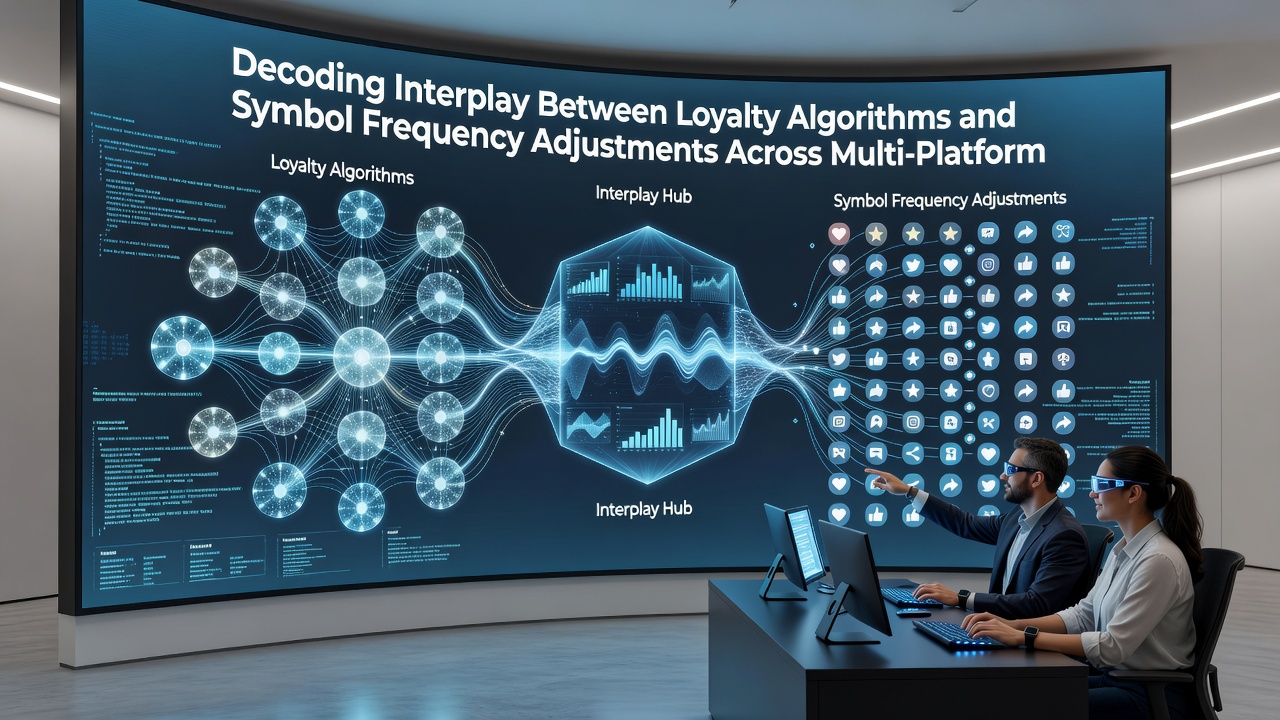
Symbol frequency engines receive instructions from loyalty modules through application programming interfaces that specify target symbol weights for each tier. Developers embed these engines in both native applications and browser-based clients so that the same rule set applies regardless of access method. When a network pushes an update, the engine recalculates reel strips on the fly, substituting new virtual reel positions that reflect the adjusted probabilities while maintaining identical visual output to the player.
Testing protocols require independent labs to verify that frequency changes do not alter the certified random number generator output or introduce bias detectable by statistical sampling. Reports submitted to regulators document the exact symbol weight vectors applied to each loyalty tier, and auditors conduct spot checks to confirm ongoing compliance. Those who have examined these submissions observe that the documentation routinely includes side-by-side comparisons of baseline and tier-adjusted distributions, allowing regulators to trace every modification back to its originating loyalty rule.
Cross-Platform Data Sharing and Compliance Frameworks
Operators that span multiple licensing jurisdictions must satisfy divergent technical standards while maintaining a unified loyalty framework. European regulators, including the Malta Gaming Authority, require explicit disclosure of any adaptive mechanics that respond to player segmentation, whereas certain North American authorities focus more on post-implementation auditing. Networks address these differences by maintaining jurisdiction-specific configuration flags that activate only the permitted adjustments for each region while preserving core loyalty logic across the entire ecosystem.
Industry associations such as the American Gaming Association have published guidance documents that outline best practices for documenting loyalty-driven game modifications. These documents stress the importance of maintaining immutable logs that capture the timestamp, player identifier, loyalty tier, and resulting symbol weight changes for every adjustment event.
Conclusion
Networks continue to refine the connection between loyalty classification systems and symbol frequency controls as device diversity expands. Regulatory bodies in multiple regions collect increasingly granular data on these interactions, and technical standards evolve to accommodate the growing complexity of synchronized multi-platform environments. The documented patterns from 2026 demonstrate that operators treat loyalty algorithms and reel mechanics as interdependent components rather than isolated systems.