Investigating Audio Design Contributions to Player Immersion in Mobile Progressive Jackpot Titles
Amir Long · Aug 20, 2026
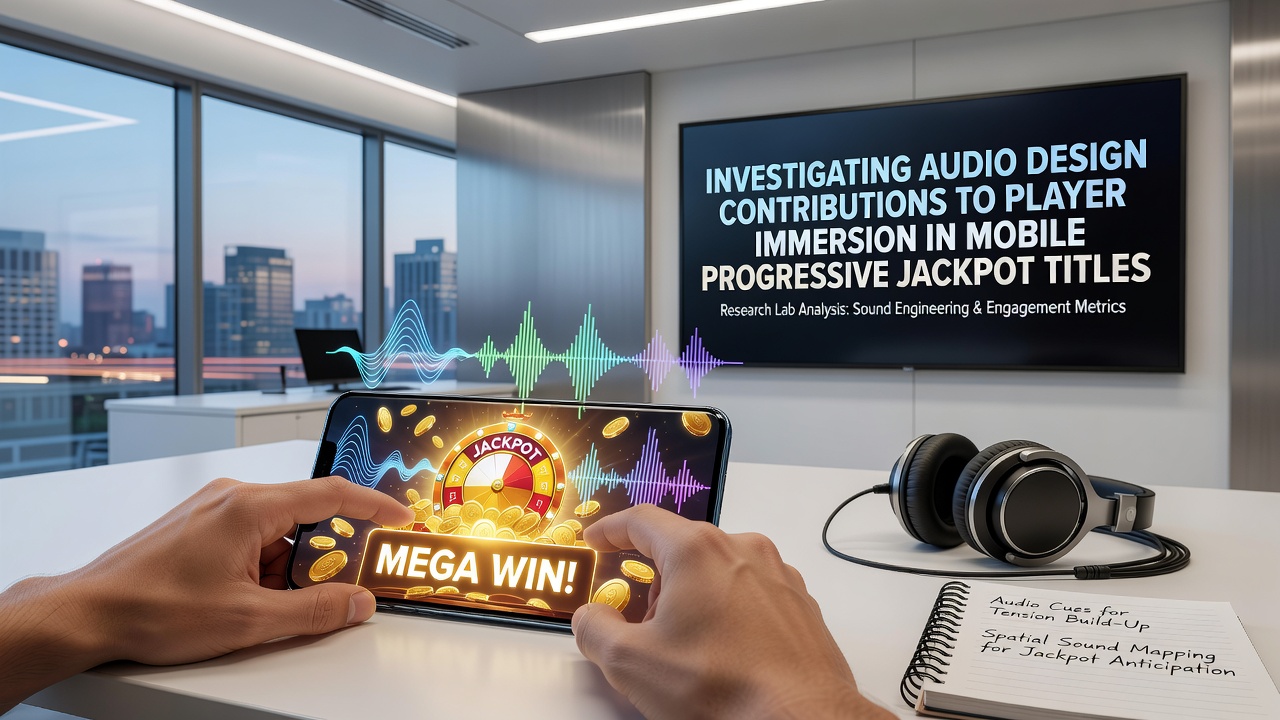
Investigating Audio Design Contributions to Player Immersion in Mobile Progressive Jackpot Titles
Audio design shapes how players experience mobile progressive jackpot titles through layered soundtracks, escalating effects, and synchronized alerts that build tension across extended sessions. Developers integrate these elements to align with reel spins, bonus triggers, and jackpot increments, creating feedback loops that keep users engaged on portable devices. Research from the Australian Gambling Research Centre shows that sound cues influence session duration in digital gambling environments by providing consistent auditory signals during prize accumulation phases.
Core Audio Components in Progressive Systems
Progressive jackpot titles rely on distinct audio layers including base game loops, win chimes, and rising intensity tracks that activate as pooled prizes grow. These components operate independently yet combine during key events such as symbol matches or multiplier activations. Data from platform analytics in August 2026 indicate that titles incorporating dynamic volume scaling retain higher interaction rates compared to static audio setups across major app stores.
Sound designers program frequency ranges to match device speaker limitations while preserving clarity during background play. Low-frequency rumbles signal jackpot growth, while high-pitched stingers mark bonus entries. Observers note that such calibration prevents distortion on varied hardware models from different manufacturers, maintaining immersion regardless of screen size or operating system version.
Mobile Platform Constraints and Adaptations
Portable environments introduce variables like ambient noise, touch-based controls, and intermittent connectivity that affect audio delivery. Engineers address these factors by implementing adaptive mixing algorithms that lower background tracks when push notifications arrive or when battery modes activate. Studies conducted through European gaming research networks reveal that titles optimized for these conditions demonstrate steadier player return patterns in cross-device testing.
Progressive mechanics amplify the role of audio because shared prize pools update in real time across global servers. Audio cues must therefore sync with network data feeds to reflect accurate jackpot values without lag. This synchronization occurs through timestamped triggers that align sound events with server-reported increments, reducing discrepancies that could break the sense of ongoing participation.
Empirical Observations on Engagement Metrics
Platform operators track metrics such as average session length, spin frequency, and feature activation rates in relation to audio configurations. A report issued by the Ontario Lottery and Gaming Corporation links titles with responsive audio systems to elevated completion rates for bonus rounds during peak evening hours. These patterns hold across demographic segments when measured against control groups using muted or simplified sound options.
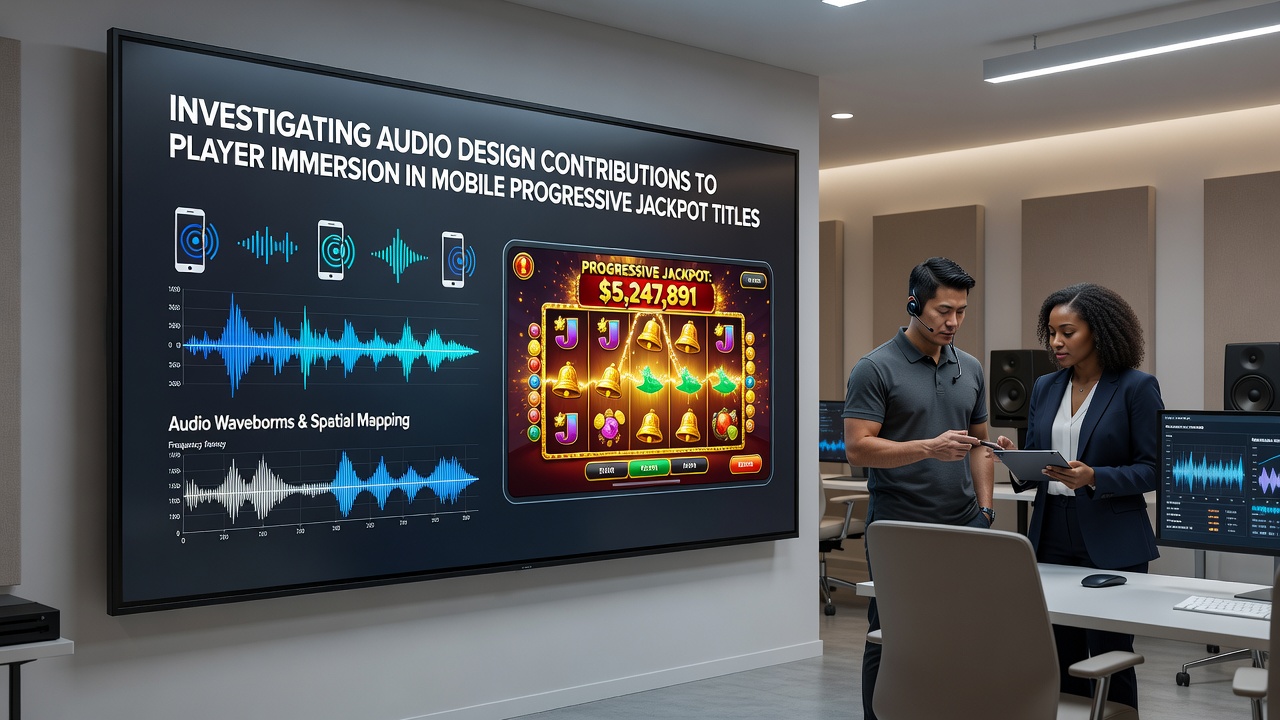
Further examination of user behavior data from August 2026 highlights how specific sound profiles correlate with repeat logins. Titles featuring progressive audio builds during jackpot climbs show consistent increases in daily active users when compared to releases that maintain uniform volume throughout play. Researchers attribute this outcome to the auditory signaling of accumulating stakes, which provides continuous reinforcement without requiring visual attention alone.
Integration Techniques Across Development Pipelines
Development teams employ middleware tools that allow real-time adjustment of audio parameters based on jackpot size and player progression. These tools connect directly to the game's random number generator outputs, enabling effects to scale in pitch and tempo as prize thresholds approach. Industry reports from the Canadian Gaming Association document how such integrations reduce development cycles while preserving audio fidelity across multiple device resolutions.
Testing protocols include blind listening sessions where participants rate immersion levels without seeing visual elements. Results from these evaluations guide refinements in reverb, spatial positioning, and layering density. The process ensures that audio remains effective even when players switch between portrait and landscape orientations or when external audio interruptions occur.
Conclusion
Audio design in mobile progressive jackpot titles functions through precise coordination of effects, music, and system feedback that aligns with prize mechanics and device limitations. Available data from regulatory bodies and research institutions demonstrate measurable associations between these audio strategies and sustained player activity. Continued refinement of synchronization methods and adaptive mixing will determine how future titles maintain engagement across evolving hardware and network conditions.