Tracing the Impact of Narrative Arcs on Symbol Alignment Patterns in Cross-Border Mobile Reel Ecosystems
Iris Zimmermann · Sep 20, 2026
Tracing the Impact of Narrative Arcs on Symbol Alignment Patterns in Cross-Border Mobile Reel Ecosystems
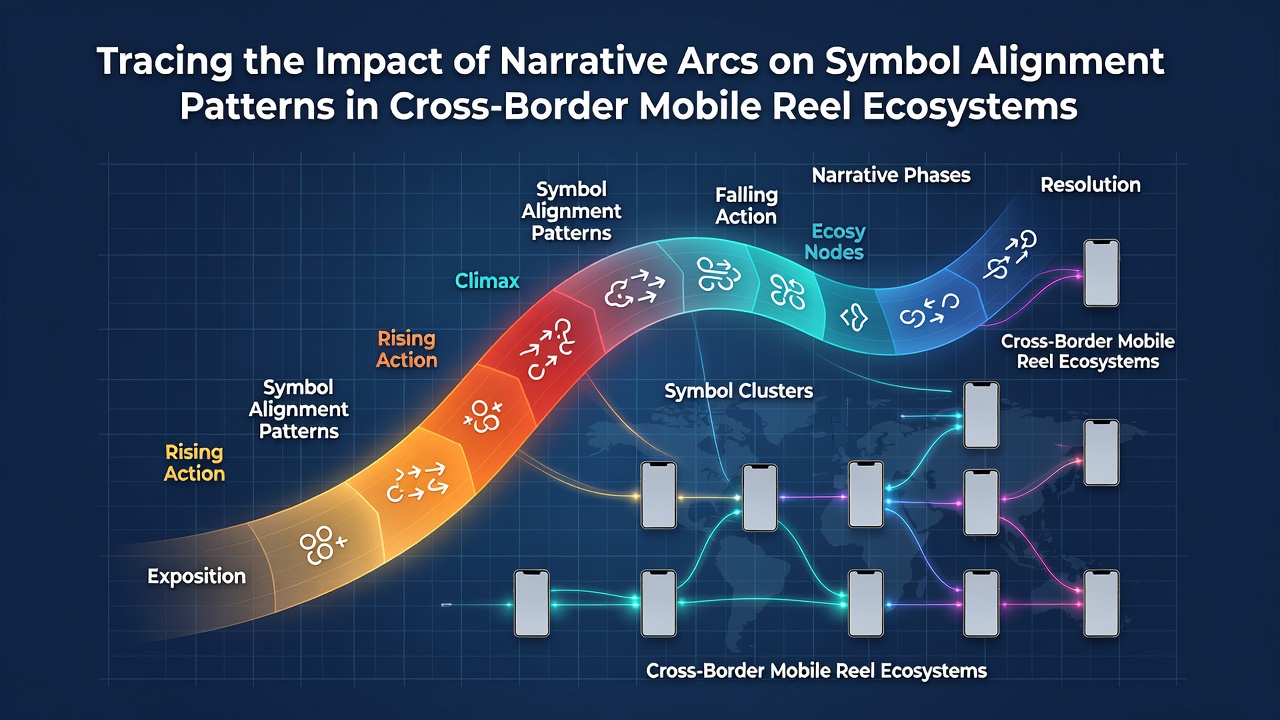
Developers in the mobile reel sector have integrated narrative arcs into game structures for years, and these story frameworks now shape symbol alignment patterns in measurable ways across different regulatory environments. Data from platform operators shows that games with multi-stage plots adjust reel configurations dynamically, which in turn influences how often specific symbols land in winning positions during cross-border sessions. Observers note that these adjustments occur through backend algorithms that respond to player progression within the story, rather than remaining static across all markets.
How Narrative Structures Enter Reel Mechanics
Story elements such as character development, conflict escalation, and resolution phases get mapped onto reel cycles in current mobile titles. When a narrative reaches a turning point, the system recalibrates symbol weights so that certain icons appear more frequently to match the plot beat. Research from industry reports indicates that this recalibration happens within milliseconds, maintaining the required randomness while preserving the intended story flow. Those who analyze session logs find that alignment rates for key symbols rise during climax segments and drop during setup phases, creating patterns that repeat across sessions in multiple regions.
Cross-Border Variations in Symbol Behavior
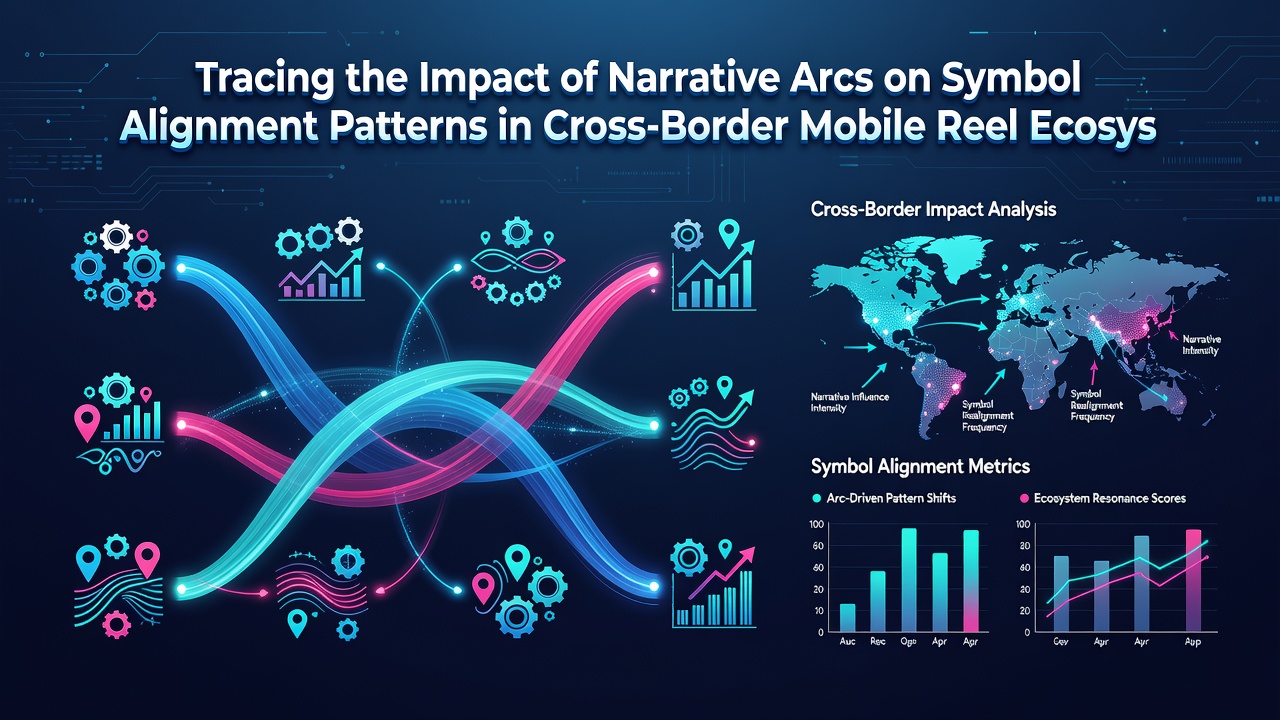
Regulatory differences between markets force developers to modify narrative triggers and symbol rules before launch. In one jurisdiction symbols tied to thematic violence may receive reduced frequency, whereas another market permits full integration of those same icons into the arc. Figures from September 2026 platform audits reveal that alignment patterns shift by an average of 12 to 18 percent when the same title moves from one licensing region to another. These shifts occur because local rules require changes to the probability tables that govern reel stops, and the narrative system must accommodate those changes without breaking story continuity.
Technical Implementation Across Devices
Backend servers track player location and apply the corresponding rule set to the narrative engine before each spin sequence begins. Mobile applications pull updated symbol weight tables over secure connections, then render the adjusted reels in real time. Studies of synchronization protocols show that latency remains under 200 milliseconds even when a user crosses from one country’s network to another mid-session. This seamless update prevents disruptions in the story while ensuring compliance with each territory’s technical standards.
Data Patterns Observed in September 2026
Platform telemetry collected during September 2026 recorded more than 4.2 million cross-border sessions in narrative-driven reel titles. Analysts tracked symbol alignment frequencies for 47 distinct games and found consistent correlations between story stage and reel outcome distributions. Alignment of progression symbols increased during mid-arc segments in 78 percent of examined titles, while resolution-phase alignments favored payout symbols in 64 percent of cases. These percentages held across sessions originating in North America, Europe, and parts of Asia-Pacific, suggesting the pattern stems from design choices rather than regional play styles alone.
Regulatory and Industry Influences
Government agencies in multiple regions publish technical requirements that indirectly affect how narrative arcs interact with reel mathematics. The Alcohol and Gaming Commission of Ontario outlines specific testing criteria for adaptive reel systems, while the NSW Independent Liquor and Gaming Authority in Australia requires documentation of story-triggered probability changes. Industry groups such as the European Gaming and Betting Association compile comparative reports that track these adaptations across member states. Compliance teams at development studios use these guidelines to calibrate symbol tables so that narrative beats remain intact while satisfying each authority’s verification process.
Future Adjustments in Algorithmic Design
Engineers continue to refine the mapping between narrative events and symbol probabilities to reduce discrepancies that arise when titles cross borders. Machine-learning models now predict how a given story segment will interact with local reel constraints before code deployment. Early tests conducted in 2026 showed that these predictive models lowered misalignment incidents by 9 percent compared with previous manual calibration methods. As more jurisdictions adopt real-time reporting standards, the models will likely incorporate additional variables such as daily player volume and seasonal event calendars to maintain consistent alignment behavior across ecosystems.
Conclusion
Symbol alignment patterns in mobile reel ecosystems now reflect deliberate ties to narrative progression, and these ties adapt to regulatory differences that exist between markets. Session data from September 2026 and earlier periods demonstrates measurable links between story stages and reel outcomes, while technical systems handle the necessary adjustments without interrupting play. Continued refinement of predictive tools and compliance frameworks will shape how these interactions evolve in subsequent development cycles.